23 September 2026

New figures from National Records of Scotland have revealed that drug-related deaths in Scotland rose by 11% last year.
People will rightly ask why so many are still losing their lives.
We've had strategies, task forces, targets and pilots, yet Scotland continues to lose more than a thousand people a year to this crisis.
The drug supply is clearly part of it. Synthetic opioids, made in labs rather than from the opium poppy like heroin, have made an already dangerous market even less predictable. Some are far stronger than heroin, and the margin between a normal dose and a fatal one can be tiny.
We need to watch for new substances and respond quickly. But I'd be wary of focusing too heavily on whichever new drug is making the headlines. Synthetic drugs are a serious threat, but they haven't created Scotland's drug death crisis.
Nearly all drug deaths in Scotland now involve more than one substance, opioids, benzodiazepines, cocaine and alcohol mixed together, sometimes knowingly, sometimes not. Often people have little idea what's actually in what they've bought, or how strong it is. The same drug, the same amount, can produce a completely different result.
But drugs alone don't explain why Scotland has been hit so hard. Dangerous, unpredictable drug markets exist elsewhere too. What stands out here is how closely deaths follow poverty, poor health, trauma and exclusion.
I've worked alongside people who have used drugs for years. What I see is rarely a simple story of somebody making a "bad choice". It's bereavement, childhood trauma, homelessness, violence, poor mental health, and a sense that life was never going to get better.
Recovery needs foundations. It's much harder to change when you don't have somewhere safe to sleep, reliable healthcare, or anything in your life that feels secure.
Getting that healthcare is rarely straightforward. Waiting lists are long and services are stretched, and people who use drugs face extra barriers too, physical symptoms put down to drug use, mental health support withheld until the substance use is "addressed", and people passed between services while nobody takes charge.
Stigma is still a real barrier, too. People who use drugs are judged in a way people with many other health problems aren't, and that affects whether someone asks for help, how they're treated when they do, and, for some, whether they survive.
Scotland has made progress, and we should say so. Naloxone is far more widely available; the Thistle drug consumption facility in Glasgow offers a safer point of contact for people at very high risk, and drug checking services are finally being developed. The Scottish Government's new strategic plan also provides the long-term framework we've been calling for.
But we need to be more ambitious.
Drug checking needs to be rolled out nationwide, and it has to be quick and easy to access. Getting detailed results days later might help us understand the wider market, but it doesn't help someone make a safer choice that night. We need rapid, local testing alongside the more detailed lab system.
We also need to move past the tired argument that harm reduction and recovery work against each other. Keeping someone alive isn't giving up on their recovery.
There's a financial argument too. Drug-related harm costs Scotland up to £5.7 billion a year once the impact on public services, employment and communities is included. Responding earlier is cheaper than waiting until crisis.
I've seen people rebuild their lives after years when that seemed impossible. People do recover, but rarely because somebody told them to try harder. It happens with the right support, at the right time, and people prepared to stick with them.
Scotland already knows how to reduce drug deaths. The challenge is to stop treating proven approaches as pilots and exceptions, and deliver them properly, consistently, and at scale.
If you’re worried about your own drug or alcohol use, or someone else’s, WithYou is here. There is no judgement, just free and confidential support. Visit www.wearewithyou.org.uk/scotland.
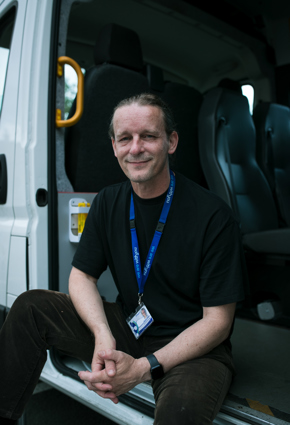
Gareth Balmer is National Harm Reduction Lead at WithYou, a charity supporting people experiencing challenges with drugs, alcohol and mental health.