09 June 2026

The challenges and rewards of providing treatment and recovery services across one of England's most rural counties.
57% of people in Shropshire live in rural areas. From the Welsh border in the west to the outskirts of the Black Country in the east, the majority of people live miles from their nearest town and its services, shops, and supermarkets.
The county is also under serious financial pressure, with analysis from last month showing government funding per head is forecast to drop to 29% below the national average by 2028/29, and less than the rural county average.
Since 2016, WithYou has been delivering the Shropshire Recovery Partnership - staffed by people from the area who are passionate about delivering for their local communities.
We face unique challenges delivering drug and alcohol support in such a rural county, where people may not have transport, or live miles from their nearest service. Sophie Morgan, Treatment and Recovery Manager at the Shropshire Recovery Partnership explains, "I grew up in a metropolitan area so it wasn't until I moved to Shropshire that I quickly learned about the reality of rural living. Whilst we have such a vast, rural and idyllic landscape surrounding us, this can bring a disconnection.
“As Rural Treatment and Recovery Manager, for me to feel connected to my teams and the communities we serve in, I spend a lot of my time out in our rural offices and satellites. My rural commutes bring a deep sense of appreciation for how distant support can seem; that's why it's so important for us to reach out far and wide."
Our hub-and-spoke model allows us to have our main bases in Shrewsbury, Oswestry and Ludlow, but also operate in harder-to-reach, more rural parts of the county. But this model only works by having people who really know their patch. The rurality of the place and the financial pressure means we've needed to come up with innovative ways to support people.
Janet Burrows, Head of Service Delivery at the partnership says, "Delivering a service in such a rural county doesn't just mean it's a smaller version of a service in a city. It's a different model. It needs to be relationship-led, locally embedded and patient. We've learnt that you can't parachute in. The teams that work best here are the ones who know the patch, know the partners, and stay long enough to earn trust which is vital when building therapeutic or partnership relationships. That has implications for how we recruit, how we retain, and how we resource the service."
Understanding how to engage the people who need our service means having staff who understand the way relationships work in small communities, what stigma looks like in a small town, and what people will and won't say depending on where the conversation is happening.
“Even if someone can get to a service, they can be really worried about the stigma they might face.,” says Sophie. “Walking into a building for support can be really exposing in a community where everyone knows what everyone else is doing.
“We’ve removed this barrier by working with partners to hold appointments in community buildings where other services are housed. We also work in hospitals, courts, probation and prisons which helps close loops that would otherwise lose people in the journey from one service to another.”
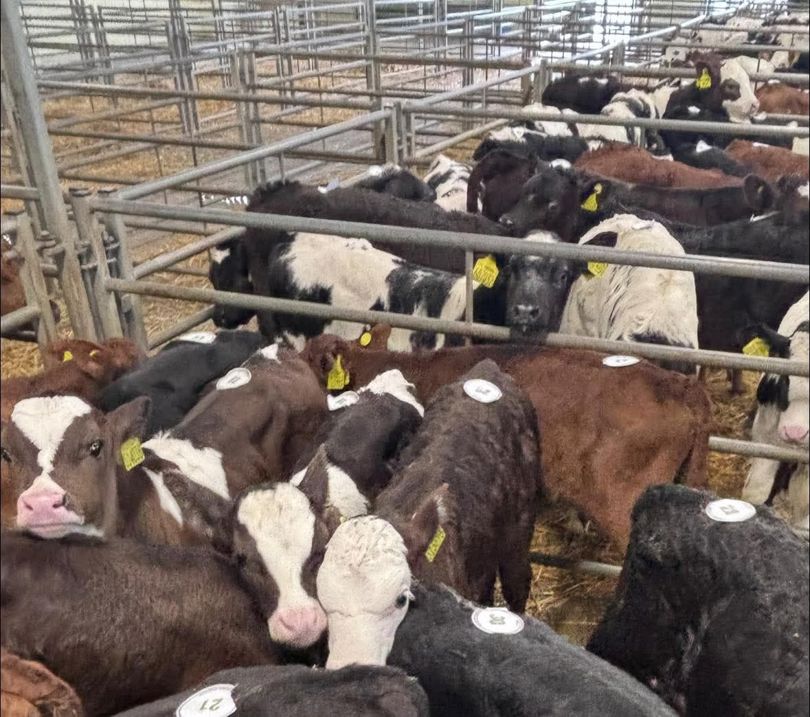
Recently we’ve partnered with the Shropshire Community Wellbeing Team, with our staff attending Wellbeing Hubs at livestock markets across the county. A livestock market on a Tuesday morning isn't a clinic. Farmers and other regulars to the market come over for tea and a chat and sometimes that's all it is. Sometimes, once they've worked out who we are, it turns into something else. The point of being there is that nobody has to make a decision to come and see us. We're just there, alongside the other services, on a day people were going to be at the market anyway.
This kind of relationship building can also be seen with our peer workers - staff with their own experiences of alcohol or drugs - who are central to how the partnership operates.
Henry Mackley, a recovery worker at SRP, first walked through the doors of our Ludlow branch early in 2023 as a client struggling after years of alcohol use.
“How I ended up in that building is now a bit of a blur,” he smiles. “I can’t remember if I referred myself or came through my GP, but either way, once inside I found that for the first time in my life I was amongst people who didn’t judge me, and allowed me to feel heard. Knocking on that door was one of the hardest things I had ever done. Reaching out for help and saying to a stranger ‘I can’t do this on my own’, wasn’t easy, but it probably saved my life.

Henry had spent most of his life in Ludlow, and says, “It’s a tight-knit community, where everyone seems to know everyone else, or at the very least they know someone who knows you. Communities like this can be incredibly supportive, but when you’re struggling with addiction they can also feel very exposing - there are few places to hide.
“I know the pubs (I’ve been kicked out of most of them at one point or another), I know the people, I know how Ludlovians whisper and how their curtains twitch. But I also know how strong the recovery community is in places like this. I live it in my work life and in my personal life. Whilst I don’t wear recovery like a badge of honour, I don’t hide anything any more. I attend AA in Ludlow, I run SMART recovery groups at work - we’ve got each other’s phone numbers and we’ve got each other's backs.”
This couldn’t have been done without the support of our partners and community; from GPs and pharmacies, councils and the police, the wellbeing teams and to the recovery community.
Together, we will keep learning and growing to make sure that anyone who needs treatment will get it, wherever in the county they happen to live.
Related articles

9 March 2023
Drug and alcohol treatment service for rough sleepers launches in Shropshire
28 July 2025
Milestone hit on World Hepatitis Day as local drug and alcohol charity confirms micro-elimination of hepatitis C, ahead of NHS target
2 September 2025