23 October 2026

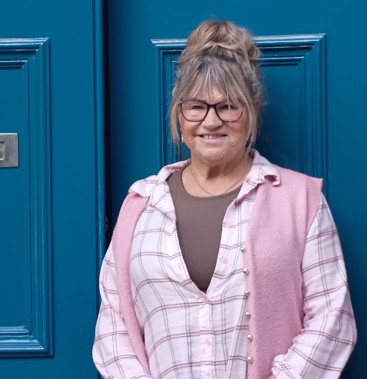
Before arriving at Chy, a residential rehab in Truro, Bev, 60, desperately needed support.
"I was crawling around my house. I couldn't walk," Bev recalls, describing the toll alcohol had taken on her body. “I’d done so much damage to my knees through drinking that I was suffering from nerve damage. I spent my 60th birthday in the hospital.”
Bev had tried rehab in the past, but each time, she relapsed. “I had even completed 90 meetings in 90 days, but I still managed to relapse," she admits. This time was different. Chy's unique culture and supportive environment changed everything.
On her first day at Chy, Bev was greeted by her buddy, Nikki, a fellow resident, support worker, Paul, and Dawn, who would soon become her counsellor during the 12-week programme. Instead of easing into her new surroundings, Bev jumped straight into group sessions.
Bev found comfort in the rhythm of daily groups and meetings and a clear timetable. “I stuck to my buddy like glue… everything was a bit like clockwork. The groups were brilliant. Everyone was so friendly.”
Bev attended relationship groups, where she explored family dynamics and learned new ways to rebuild trust. She learned to set healthy boundaries to support her recovery. The sessions helped her identify triggers, develop coping strategies, and create action plans to support her recovery.
One of the most powerful exercises Bev completed was the consequences assignment.
“My consequences, they were raw,” Bev shares. "I missed my daughter's wedding. I wasn't around. I couldn’t help her out when she gave birth to my first grandchild. My mother threw an 80th birthday party, and I couldn't go because I was too intoxicated. She died two years later, and that's something we could never get back. I read this out to the group. It was very painful, but it's something that has stuck,” she says.
After sharing her story, Bev received letters of support from other residents, each highlighting her strengths and positive traits. These peer evaluations were deeply moving.
"All these people in the group were saying such nice things about me and what a lovely person I am and how fun-loving I am… I broke down crying,” says Bev. “The worker who was in there at the time said, 'Why are you crying?' I said, 'Because these people are saying what an amazing person I am. Why couldn't I have been that amazing person for my children?'”
Beyond the group sessions, Bev worked closely with her counsellor, Dawn, in one-to-one sessions. "We went right back to my childhood," she says. This work complemented the group sessions, helping her understand the roots of her challenges and how to move forward.
Bev still uses her group handouts as a daily resource. Whenever she feels challenged around relationships, boundaries, or cravings, she returns to her toolbox for reminders and strategies she learned in the groups.
“I made sure I got every handout from every group. I’ve kept all of them. I’ve created a file at home which I call my toolbox.” Bev says. “If I’m having a difficult day, I refer to my toolbox, and it really helps.”
Throughout the recovery programme at Chy, Bev also attended a RAFT (Recovery and Aftercare from Formative Trauma) group twice a week. RAFT is a creative therapy group that uses art, sandpit exercises, and role-play to help participants understand their feelings, build healthier relationships and feel more confident.
"It's sort of using your subconscious,” Bev explains. “You do things, and you don't really think about what you're doing.” In one session, she reenacted painful family memories using props, leading to new insights and emotional breakthroughs. She credits RAFT with helping her process trauma that traditional therapy could not reach.
Looking back, Bev says the heart of her recovery journey at Chy was found in the groups, where honesty, empathy, and shared experiences laid the foundation for lasting change.
“Chy has completely changed my outlook on life. I realised I didn’t need alcohol to be the person I am. I’m quite a bubbly, outgoing person. The programme is absolutely brilliant, but you need to put in the work. My advice for anyone who needs support is to go and work for it, because you’re worth it.”