24 March 2026

For the right person, the work is incredibly rewarding and offers a strong sense of purpose.
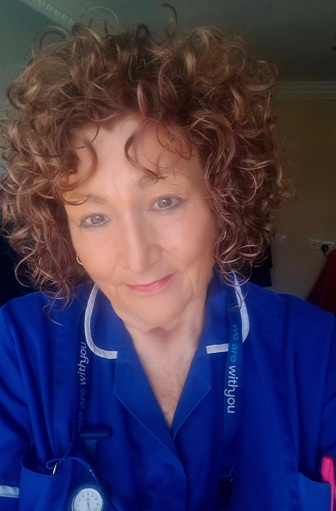
For nearly a decade, specialist substance misuse nurse, Sue McGrath, has been a steady source of compassion, resilience, and hope within HMP Lincoln and HMP North Sea Camp. Sue’s journey into drug and alcohol support grew from a deep understanding of the challenges faced by people in custody and a desire to make a meaningful difference.
In this interview, Sue reflects on her path into prison healthcare, the realities of supporting individuals through drug and alcohol treatment and recovery, and the unique strengths women can bring to this vital work. Sue's insights offer a powerful reminder of the importance of dignity, respect, and connection in every interaction.
How did you first start working in drug and alcohol support?
My professional background spans many years across a range of roles, with most of my experience rooted in physical health and offender healthcare. I previously worked as a clinical lead and hepatitis C lead nurse at HMP Lincoln, which naturally involved close collaboration with the drug and alcohol team. Through that work, I developed a deep understanding of the complexities surrounding substance misuse and the importance of supportive, compassionate intervention.
When I later moved into semi‑retirement, it felt like the right moment for a change of direction. Moving across to the drug and alcohol support team was a natural progression, allowing me to remain part of the prison environment while focusing more directly on helping individuals through the challenges of addiction and recovery.
What made you want to work in prisons, specifically in Lincolnshire?
After relocating to Lincolnshire, I began agency work, which led to an unexpected opportunity to work within the prison. At that point, I had no idea what to expect, but from the very first day I felt completely drawn in. The structure, purpose, and complexity of the environment resonated with me immediately. I very quickly realised that this was work I truly wanted to be part of.
What do you enjoy most about your job?
What I value most is the opportunity to make a genuine difference. Building professional, trusting relationships with service users is incredibly rewarding. Providing empathy, honesty, respect, and a non‑judgemental space allows individuals to open up and engage with support in a meaningful way.
Seeing positive changes — whether small steps or significant progress — brings enormous job satisfaction. It’s a privilege to be part of someone’s journey toward stability and recovery.
What are the main challenges prisoners face with drugs or alcohol?
Many individuals arrive in prison frightened, uncertain, or overwhelmed, especially if it is their first time in custody. Separation from family and support networks adds to this emotional strain. There may also be pressures from other prisoners, including intimidation, debt, or coercion, which can worsen existing substance issues.
Additionally, most people come into custody with complex life histories involving trauma, mental health concerns, homelessness, poverty, and social instability. Substance use is often intertwined with many of these issues, making support both essential and multifaceted.
How do you support people who are experiencing challenges with drugs or alcohol while they are in prison?
Support often begins with listening. Many individuals arrive feeling isolated, anxious, or ashamed, and having space to talk openly can be hugely beneficial. From there, I provide guidance, offer harm reduction advice, help explore coping strategies, and signpost to other services such as healthcare, mental health support, or external agencies.
A key part of the role is offering hope — reminding people that they are not alone and that recovery is achievable, even within a prison setting.
Do you think being a woman brings any strengths to this kind of work?
Yes. Qualities such as compassion, empathy, warmth, patience, and the emotional insight that often comes with life experience — including being a mother or grandmother — can make a real difference. These qualities help build trust, create a safe space, and encourage more open communication.
If people outside the prison system understood one thing about your work, what would you want it to be?
I would want people to understand that this work is rooted in compassion, fairness, and respect. Every person entering custody deserves access to support — without judgement. Many individuals come from extremely complex backgrounds, and our role is to provide stability, dignity, and hope from the moment they arrive until the moment they return to the community.
For more information around drug and alcohol support in Lincolnshire prisons, visit wearewithyou.org.uk/local-hubs/lincolnshire-prisons