06 November 2026

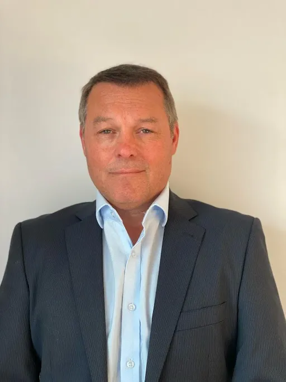
“I think 2027 is going to be a particularly difficult year, with continued pressure on the cost of living and an increasingly uncertain geopolitical situation. The outlook remains challenging, so I think we need to be looking ahead now at what this could mean for the Armed Forces Community and how we position ourselves to respond.” - Andy Craze, National Armed Forces Programme Lead
Britain is having a conversation about military readiness.
It is a necessary conversation. The security environment has changed, and the war in Ukraine has demonstrated just how quickly assumptions about conflict, resilience and national preparedness can be tested.
But as we ask what more we may need from our Armed Forces, there is another question we should be asking alongside it: what more will we need to do for the people behind the uniform?
The Armed Forces Bill 2026 proposes significant changes to the way Defence can draw on its experienced former personnel. Among them is increasing the maximum age for recall from 55 to 65 and widening the circumstances in which former personnel may be called upon, including preparations for warlike operations. The Government says the measures are intended to strengthen the Strategic Reserve and ensure Defence can draw on the skills and experience it needs in times of crisis.
That makes sense from a readiness perspective. But readiness cannot simply mean having enough people available to deploy. It also has to mean understanding the people we may ask to serve again.
A veteran is not a fixed category
We sometimes talk about veterans as though leaving the Armed Forces represents a clean dividing line: service ends, civilian life begins and the individual moves into a different category. Real life is rarely that straightforward.
Someone who left the military years ago may still carry a strong sense of military identity. They may have experiences they have never fully processed. They may have built a successful civilian career, raised a family and appeared to be doing well, while privately dealing with trauma, anxiety, relationship difficulties, isolation or challenges with alcohol or drugs.
For some people, being asked to reconnect with Defence could be positive. It could restore a sense of purpose, identity and belonging.
For others, it could bring difficult memories or unresolved experiences closer to the surface. Neither response should surprise us.
And this is where our understanding of veteran support needs to evolve.
The things we don't always see
Drug and alcohol harm can be particularly difficult to identify because it does not always look like crisis.
Someone can be holding down a job, maintaining relationships and appearing outwardly well while using alcohol or drugs to manage anxiety, sleep, stress, anger, trauma or memories they would rather not revisit.
For some, use may have begun during service. For others, it may emerge during the difficult transition into civilian life. For others still, it may develop years later.
The point is that leaving the military does not automatically mean leaving behind the things that happened while serving. And the consequences rarely belong to one person.
Alcohol or drug use can affect partners, children and wider families. It can put pressure on relationships, household finances, employment and parenting. If we support only the veteran and overlook the family around them, we risk treating only part of the problem.
There is another group we should be particularly conscious of: people who leave the Armed Forces in difficult circumstances.
Those leaving following disciplinary action, compulsory drug testing or other challenging experiences may have little appetite for engaging with organisations they associate with the military.
They may feel let down or even traumatised by Defence. They may resent the institution. Or they may simply not identify with the idea of being a “veteran” who needs help.
These can be exactly the people who are hardest to reach.
Ukraine offers a lesson
I was reminded of this recently when I met Ukrainian psychiatrists and psychologists working with military personnel, veterans and families affected by the war.
What struck me was both the scale of what they are dealing with and how familiar some of the underlying challenges felt.
Trauma. Drug and alcohol use. Family pressures. Transition. The difficulty of asking for help.
These are not uniquely Ukrainian problems. They are human consequences of experiences that can fundamentally change people's lives.
Ukraine is responding by developing a national network of RETURNING mental health centres for military personnel, veterans and their families affected by the psychological consequences of the war. The programme brings together professionals including psychiatrists, psychologists, psychotherapists, nurses, social workers and case managers. By July 2026, the network had reached 17 centres.
The UK delegation's visit also created an opportunity for Ukrainian and British specialists to exchange expertise around supporting military personnel and veterans. There is an important lesson here.
Military readiness and veteran support cannot be considered separately.
If we ask more from our Armed Forces Community, we need to think about the support infrastructure around that community at the same time.
Support has to meet people where they are
This is one reason specialist drug and alcohol services have a role to play alongside the wider Armed Forces support system.
At WithYou, our dedicated Armed Forces Programme sits at that intersection. We are not a military charity; and that is important. For some people, that makes it easier to ask for help.
Someone who does not want to engage with a military organisation, or who does not see themselves as a “veteran”, may still recognise that their drinking, drug use, relationships or mental health are becoming difficult.
We can start with that person, rather than starting with a label.
Our job is to understand the relationship between drug and alcohol use, service history, trauma, transition, family and wider circumstances, and to provide specialist support when someone needs it.
That does not replace the vital work of Armed Forces charities, NHS services or Defence. It adds another route into support; and those routes matter.
Because the person most in need of help may not be the person who walks through the front door of a veterans' organisation.
Readiness should include recovery
The debate about national resilience understandably focuses on capability: personnel, equipment, skills and preparedness. But people are not pieces of military infrastructure.
If we are building a Strategic Reserve capable of drawing on the experience of former service personnel, we should also be thinking about the long-term wellbeing of that population.
That means recognising that some people will carry the effects of service for years. It means making support accessible to people who do not identify with traditional veteran services. It means recognising families as part of the picture.
And it means making sure that drug and alcohol harm is not left out of conversations about military mental health and veteran wellbeing.
Ukraine is showing the importance of building that infrastructure while the need is urgent, rather than waiting until the consequences become overwhelming. Its RETURNING programme is explicitly designed around serving personnel, veterans and families, with multidisciplinary support and professional training at its centre.
The UK has an opportunity to learn from that experience. The Strategic Reserve may be about preparing people to return to service.
But supporting veterans should never be about keeping people permanently in a state of readiness. It should be about making sure that, whatever their relationship with military service, they have somewhere to turn when life becomes difficult.
Because if we are asking more from the people who have served – whether that is during service, after discharge or potentially years later – we also have a responsibility to make sure they, and the families around them, are not left to deal with the consequences alone.
Final thoughts
There is also a reason we are able to have this conversation at all: the continued commitment of the organisations that support this work. We are hugely grateful to the funders and supporters of the WithYou Armed Forces Programme, including military charities, whose investment recognises that supporting the Armed Forces Community means looking beyond the point of service. Their support enables us to reach people who may otherwise be missed, build specialist expertise and provide a route into help for those experiencing drug or alcohol harm. At a time when the needs of the Armed Forces Community are changing, that partnership is more important than ever.
Related articles

26 June 2026
Cornwall veteran who went from struggling with alcohol to working for a drug and alcohol service shares his story for Armed Forces Day

26 June 2026
“We’ve got your back”: North Somerset veteran and charity lead shares call to arms for Armed Forces Day

1 April 2026