24 June 2026

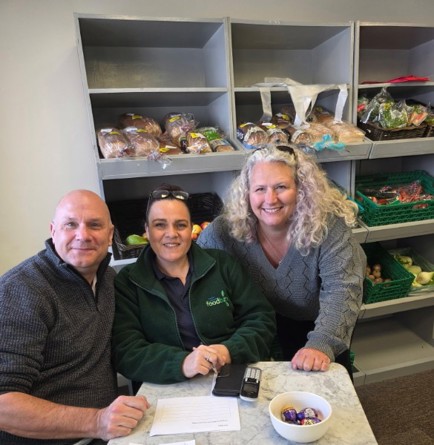
For more than 13 years, Nicola Wilding has supported people with drug and alcohol challenges, but it was her work with veterans that changed her perspective on the importance of tailored, compassionate care.
Now Armed Forces Lead at CDAS in Stoke-on-Trent, delivered in partnership by WithYou and BAC O'Connor, Nicola is passionate about breaking down barriers to support and challenging stereotypes around the armed forces community.
She shares why connection, understanding and trust are at the heart of helping veterans feel safe enough to ask for help.
What first drew you to working with veterans and the wider armed forces community?
I’ve worked in this field for more than 13 years, having started as an alcohol recovery worker in 2013. In 2015 I was working as an alcohol recovery worker and met my first veteran client. Listening to his story both shocked and motivated me to do the best I could to support him. I secured a four-day residential course for him and two years of aftercare support, which he loved. Three years later, another veteran who was looking for help staying sober came to us and I thought I knew the kind of support he needed. But actually I ended up connecting with him through his love of music and playing guitar. He’s now a volunteer for another drug and alcohol service up in Scotland. These two experiences really taught me that every veteran comes with their own unique story and their own way of dealing with their trauma.
In 2020 I met my now-husband, an army veteran, and again I was shocked and sad hearing his story and the lack of support he received. That was when I decided to start making links with local veteran services, so I joined our local tri-services veteran support centre to offer support to anyone struggling with substances..
How do drug and alcohol issues intersect with the wider pressures veterans experience when transitioning to civilian life?
I feel that alcohol use can be a way of life for some serving personnel and veterans. It’s vital that we take down any barriers to support and ensure people have the information they need. Education, connection and having something in common can go a long way to help someone feel at ease enough to share their vulnerabilities and fears.
What do you think the public often misunderstands about veterans’ needs?
People have a lot of stereotypes about veterans. They’re seen as either “broken” and “dangerous" and suffering with PTSD, or “tough guys” who are completely detached from their emotions. Women veterans are often expected to be working in support or care roles.
Veterans are all unique - as every human is - and should not be stereotyped.
How do you think services should treat people in the Armed Forces Community?
I recently visited WithYou in North Somerset’s Armed Forces Community team. In that service every recovery worker has veterans on their caseload and are aware of the challenges veterans face, and they work together seamlessly to deliver the best outcome. I saw a vulnerable veteran receive co-ordinated support within three hours, which happened because they have built strong partnerships with other support services in their area.
It’s so important to understand that no one service can change the world but by each of us playing our part we can and will facilitate change for both veterans and the wider armed forces community.
What kind of legacy do you hope to create for the armed forces community in Stoke?
A safe space where veterans can feel supported where there is no shame or judgement.
If you could send one message to veterans who may be struggling silently, what would you want them to hear?
The first step is the hardest and then it gets easier. Let's share a cuppa, we can chat about the weather or put the world to rights and everything in between. If you can’t come to us, we will come to you and we will be there to support you. If there’s something we can’t support, we will find a service who can, and we can see them together too.
If you're a member of the Armed Forces community, we're here for you. You can learn more about our support at wearewithyou.org.uk/what-we-do/drug-and-alcohol-services-for-adults/support-for-the-armed-forces-community
Want to learn more about our support in Stoke-on-Trent? Visit scdas.org.uk